Trauma &
Attachment
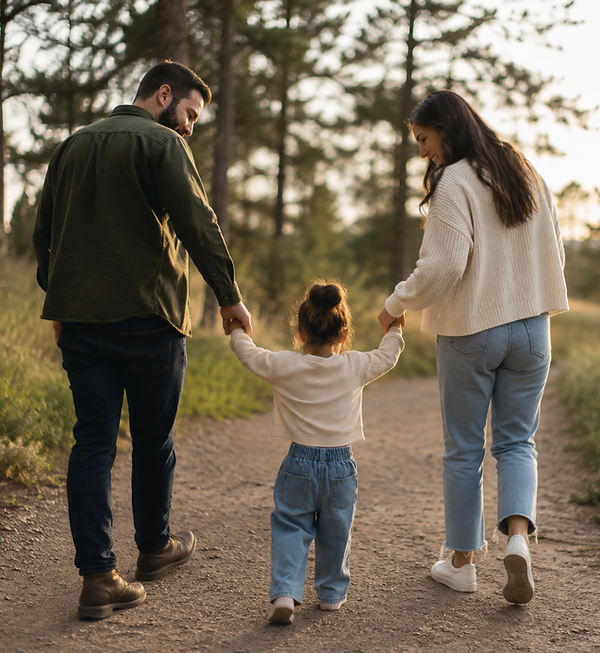
The past may influence your story, but it doesn't have to write your future.
Every person has a story. Along the way, each of us experiences moments of joy, disappointment, loss, and hardship that shape who we become. While not every painful experience is trauma, some experiences leave lasting impressions that continue to influence how we think, feel, relate to others, and navigate everyday life.
Sometimes those effects are obvious. Other times, they quietly appear through patterns of anxiety, perfectionism, people-pleasing, emotional numbness, difficulty trusting, feeling disconnected, or simply wondering why certain patterns continue to repeat themselves.
At Selah, we believe one of our deepest human longings is to know and be known. Therapy offers a space to slow down and thoughtfully explore your story with curiosity, compassion, and care—creating the foundation for meaningful healing and lasting change.
Our desire isn't simply to help you cope with what's happening today. Together, we'll gently uncover the experiences, beliefs, emotions, and protective patterns that may be contributing to what you're carrying. As we better understand your story and the reasons behind your patterns of coping, protection, and relating to others, we create space for deeper healing and lasting change.
Because trauma affects not only our thoughts and emotions, but also our bodies, healing often involves more than simply talking through what happened. Using evidence-based approaches tailored to your unique story—including EMDR, attachment-based therapy, Internal Family Systems (IFS)-informed interventions, cognitive behavioral therapy (CBT), and other somatic approaches—we'll work toward greater awareness, emotional regulation, healthier relationships, and lasting healing with compassion, intentionality, and hope.
Whether you're navigating childhood wounds, relationship difficulties, birth trauma, medical trauma, a single distressing event, or simply wondering why certain patterns continue to repeat themselves, you don't have to navigate it alone.
Trauma & Attachment FAQs
Trauma can take different forms—from a single overwhelming event to repeated, prolonged, or relational experiences—and may leave a lasting impact on how we feel, respond, and relate. While not every difficult experience is traumatic, trauma can continue to affect us long after the experience itself has passed.
Trauma affects you by keeping your nervous system stuck in high alert or shutdown, leading to constant anxiety, fatigue, flashbacks, or emotional numbness. You may also find yourself withdrawing from loved ones and actively avoiding people, places, or memories linked to the experience.
Attachment refers to the way we learn to experience safety, trust, and connection through our earliest relationships. These experiences often shape how we relate to ourselves and others throughout life. While secure attachment fosters confidence and resilience, insecure attachment patterns can contribute to patterns such as anxiety, fear of rejection, people-pleasing, perfectionism, or difficulty trusting. The encouraging news is that these patterns are not permanent. Healing and growth are possible.
Depending on your goals and unique story, therapy may incorporate EMDR, attachment-based therapy, Internal Family Systems (IFS)-informed interventions, cognitive behavioral therapy (CBT), and other somatic approaches. Every treatment plan is thoughtfully tailored to your individual needs.
For clients who desire it, faith can also be meaningfully integrated into therapy through prayer, Scripture, and other Christ-centered resources. Faith integration is always client-led and never assumed.
For many individuals, yes.
While meaningful trauma healing can occur within traditional therapy sessions, trauma processing—particularly through approaches such as EMDR, and IFS often benefit from longer, uninterrupted periods of time. Extended sessions allow us to remain engaged in the therapeutic process rather than stopping just as meaningful processing is unfolding, creating greater continuity and space for deeper healing.
For some individuals, traditional weekly therapy is exactly what's needed. For others, a Selah Intensive Experience provides the opportunity to slow down without watching the clock, thoughtfully explore your story, remain present with the healing process, and move toward lasting healing in a way that feels less rushed and more fully integrated.