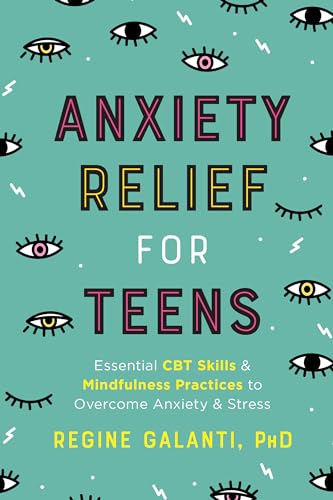
Teens &
Young Adults

Becoming who you are is one of life's greatest adventures—and one of its greatest challenges.
The teenage and young adult years are filled with growth, discovery, and change—but they can also bring anxiety, self-doubt, pressure, and questions about identity and belonging. As expectations increase, it's easy to begin measuring your worth by your performance or comparing yourself to those around you.
We provide a supportive space where teens and young adults can process life's challenges, better understand themselves, and discover their unique voice with honesty, curiosity, and compassion.
We also deeply value the relationship between teens and their parents or caregivers. While adolescence naturally brings greater independence, one of the greatest protective factors during these years is a secure, connected relationship with the people who love them most. Our goal is to foster greater understanding, communication, and trust.
In addition to traditional talk therapy, I often incorporate creative approaches such as art and sand tray to help teens express emotions, process experiences, and engage in therapy in ways that feel natural and meaningful.
FAQs For Teens & Young Adults
Ages 10 and older who are navigating the unique transitions that come with increasing independence, identity development, relationships, and life changes.
Not at all. While talk therapy is certainly part of the process, other creative approaches can be incorporated such as art, sand tray, and other expressive interventions when they support the therapeutic work. These approaches can help make therapy feel more approachable while creating new ways to process emotions and experiences.
Parents play a vital role in a teen's emotional health and development. While therapy provides teens with a confidential space to process their experiences, partnering with parents is invaluable in ways that strengthen trust, communication, and connection. The goal is to support the parent-teen relationship while honoring a teen's growing independence and respecting appropriate therapeutic boundaries.
Many teens and young adults seek counseling for anxiety, perfectionism, identity development, self-esteem, relationship challenges, body image concerns, life transitions, and healing from difficult or painful experiences.